Today is the second Sweating Blood book club at In a Land gallery. I can’t make it, but once again I have read the book.
One of the great things about book clubs is reading things you wouldn’t normally pick up. Sometimes, they don’t work for you and this is a Good Thing. While I didn’t love Midnight Timetable, I don’t think it’s a bad book, just not one for me. I’m glad I tried it.
I’ll be brief about the things I didn’t like. The first couple of stories felt unengaging and a little obvious, particularly given Chung’s slight characterisation. The book identified characters by role rather than name, which I found alienating. Chung writes with telegraphic brevity. An example: “She took her to the most popular shopping mall in the city. Chatting endlessly, they ate snacks together and looked at all the clothes and appliances.” There’s a lack of detail here, a smoothness, that doesn’t work for me.
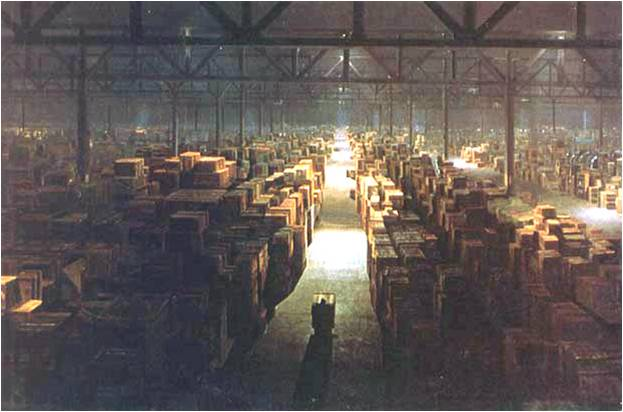
The horror elements were not as strong as I’d hoped and for much of the book it felt like a diluted SCP Foundation. I love this trope, which echoes the ending of Raiders of the Lost Ark – the feeling that countless hidden stories that could be told. The early stories did little to build on these predecessors but then came the last chapter, Sunning Day. It took a new approach to the concept that I hadn’t expected and it was beautifully written. I felt this should have been the first chapter, with the book starting from there.
A few set-pieces work brilliantly and there are some interesting insights into Korean life. Some words are untranslated, which adds to the feeling of immersion – it’s easy to google a word like ‘goshiwon’. I also loved the afterword, where Chung suggests writing ghost stories as a playful way to dodge writer’s block.
I feel like I’ve been harsh on this book. I read a lot of horror, so I’m comparing Midnight Timetable to books like There is No Anti-Memetics Division. I suspect many people will enjoy it more than I did. I’d probably pick up another Bora Chung book in future.